

large white bathroom mirror
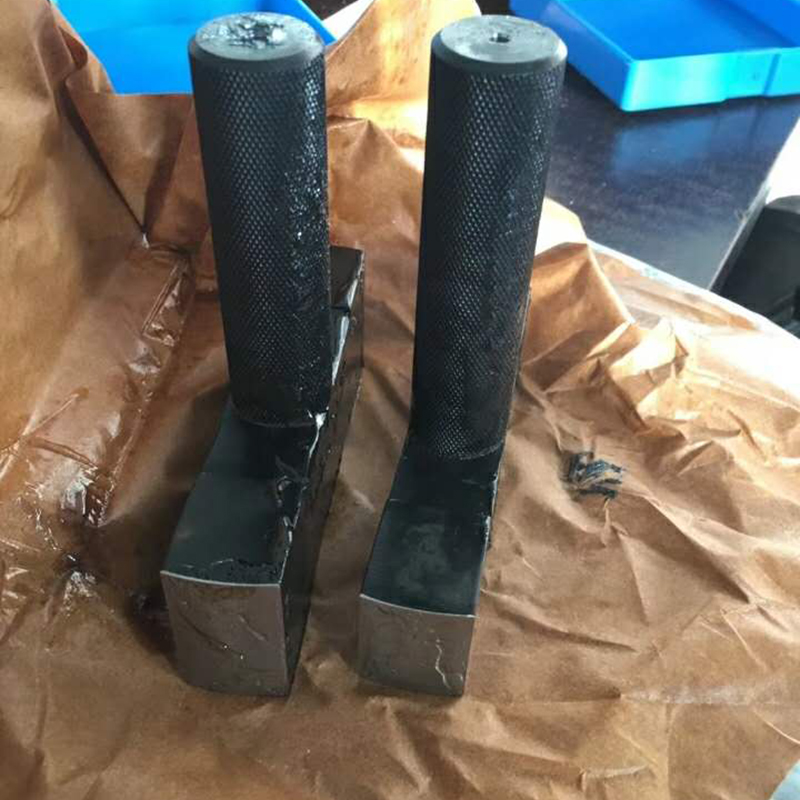
The Benefits of a Small Portable Welding Table Welding is a crucial skill in various fields, from automotive repair to metal fabrication. However, the success of a welding project often depends on the workspace setup. This is where a small portable welding table comes into play. Compact yet versatile, these tables are essential tools for both hobbyists and professional welders. One of the most significant advantages of a small portable welding table is its mobility. Many welding tasks require a flexible workspace, and traditional welding tables can be heavy and cumbersome . Portable models are designed to be lightweight and easy to transport, enabling welders to set up their workspace wherever it's most convenient. Whether it's in a garage, on a job site, or even in an open field, these tables make it easy to bring the workshop to the project. Another key benefit is their space-saving design. For those with limited workshop space, a small welding table can be a lifesaver. It can often be stored away when not in use, allowing for more room for other tools and equipment. This is particularly valuable for DIY enthusiasts or small business owners who need to maximize their workspace efficiency. small portable welding table Sturdiness is also an essential feature of these portable tables. Despite their compact nature, many small portable welding tables are made from robust materials that can withstand the heat and demands of welding. They often come equipped with features like clamping systems and height adjustments, which enhance stability and precision during welding projects. This ensures that regardless of the size of the job, the welder can work safely and effectively. Additionally, a small portable welding table often includes accessories that aid in various welding tasks. Some tables feature built-in magnets or slots for holding workpieces securely, reducing the risk of movement while welding. This not only improves accuracy but also enhances safety, making it a vital tool for beginners and experienced welders alike. In conclusion, a small portable welding table is a valuable investment for anyone serious about welding. With its mobility, space-saving design, robust construction, and practical accessories, it enhances the welding experience tremendously. Whether you are a seasoned professional or a weekend hobbyist, having a dedicated and portable workspace is essential for achieving quality results in your welding projects.
about
large white bathroom mirror
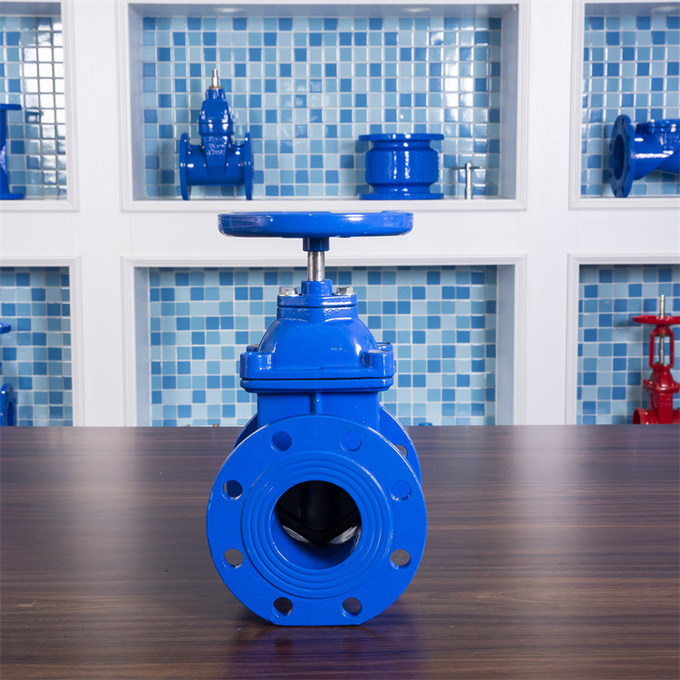
Replacing a Water Shut-off Valve A Step-by-Step Guide Water shut-off valves are essential components in any plumbing system. They control the flow of water into your home, allowing you to stop the water supply during repairs or emergencies. Over time, these valves can become corroded or fail, necessitating a replacement. This article provides a detailed guide on how to replace a water shut-off valve. 1. Gather Your Tools and Materials Before you begin the replacement process, ensure you have all the necessary tools and materials. You will need - A new shut-off valve (make sure it matches the size and type of the existing valve) - A pipe wrench or adjustable wrench - Teflon tape - A bucket (to catch any water) - Towels or rags - A hacksaw (if the old valve needs cutting off) 2. Shut Off the Main Water Supply Start by turning off the main water supply to your home. This is typically located near the water meter. Open faucets at the highest and lowest points of your home to relieve any pressure and drain the system. Be prepared with a bucket to collect any residual water. 3. Locate the Shut-off Valve Identify the location of the shut-off valve you plan to replace. It is usually found on the water supply line leading to appliances or fixtures, such as sinks, toilets, or laundry machines. replace water shut off valve 4. Remove the Old Valve Using the pipe wrench, carefully loosen and remove the old valve. If it’s difficult to remove, you may need to cut it out using a hacksaw. Take your time to avoid damaging the connecting pipes. Once removed, clean the threads of the pipe to ensure a proper seal with the new valve. 5. Install the New Valve Wrap Teflon tape around the threads of the new shut-off valve to prevent leaks. Attach the valve to the pipe using your wrench, turning it clockwise. Make sure it’s secured but be careful not to overtighten, which could cause damage. 6. Test for Leaks Once the new valve is installed, turn the main water supply back on and check for leaks. Open and close the new valve to ensure it operates correctly. If there are any leaks, tighten the connections gently. Conclusion Replacing a water shut-off valve is a manageable DIY project that can save you money and prevent future water damage. By following these steps carefully, you can ensure a successful installation that maintains the integrity of your plumbing system. Regular maintenance and timely replacement of valves can help keep your home safe and dry.
-

High quality industrial productsagement

High quality industrial products
View Details -

Meet the diverse needs of customers

Meet the diverse needs of customers
View Details -

Strict quality control

Strict quality control
View Details -

Top raw materials

Top raw materials
View Details -

Trusted supplier

Trusted supplier
View Details
Our application
news and information
Water Pressure Regulation Valve for Efficient Flow Control in Hydraulic Systems
Understanding Water Pressure Control Valves Water pressure control valves are essential components i

Welding Workbench for 4x8 Projects A Sturdy and Versatile Solution for Fabrication Work
Welding is a crucial process in the manufacturing industry, and having the right equipment is essent
Water Hose Valve Options for Efficient Gardening and Outdoor Watering Solutions
Understanding the Water Hose Valve A Key Component for Efficient Water Management In the modern worl
 English